Lowering your price
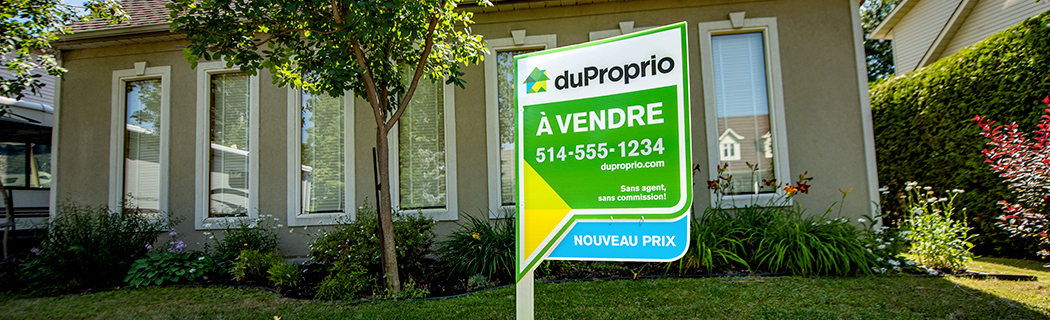
If the asking price you’ve set for your property is fair, meaning that it reflects its true market value, then you should see interest from potential buyers in the weeks after putting the property on the market. With this in mind, if very few people come knocking on your door, then the explanation might be the asking price.
The minute you start wondering—perhaps because no potential buyers are calling—then don’t hesitate to revisit your asking price.
1. The asking price is competitive
To attract potential buyers and stand out from the other properties for sale in your area, your asking price must be competitive. Here’s an example. Say you notice that properties similar to yours are currently selling for $235,000 to $245,000 in your area. To make sure your home will be considered by potential buyers, you should set a similar or lower price.
Since the market is always fluctuating, keep an eye on it and on competitor properties regularly and adjust your price if need be.
2. Is the asking price realistic?
The price must reflect the property’s fair market value. That means it must take into account the property’s characteristics and the market’s vitality, and it mustn’t be inflated with an overly large negotiation margin. Our statistics show that, on average, our clients sell 2–3% below the list price.
3. The asking price is objective
Your price must be based on objective criteria, like the property’s location, size and condition, not on your own personal preferences, like its aesthetic aspects.
Because a property conjures up memories and emotions, it’s difficult to stay objective when setting the price. Here’s a tip: try changing roles. Put yourself in the buyer’s shoes, and try to stay impartial.
4. The asking price is justified
When you’re negotiating with a buyer, you should be able to explain how you calculated your price (and provide proof to support your arguments). You must also be able to justify any price difference between your property and others similar to yours.
Make the price drop significant
If you realize that your price is really not appropriate for your market, think about changing it as quickly as possible.
You should know that a drop in price of $1,000 or $2,000 will not make a property more appealing to buyers or more affordable. And if you lower the price by small amounts several times, you’ll create the impression that you’re not at all sure of your asking price. The best strategy is to alter the price less often but ensure that the change has a significant impact.
Plus, a sizeable price drop will give you other benefits: Your listing could appear in the email alerts sent to potential buyers looking for your type of property.
Find out more in the article Email alerts.
|
Other reasons can affect selling time The asking price is obviously not the only explanation for a sale taking longer. This can happen when the pool of buyers looking for your type of property is smaller, or if your property has particular features, is located in a less-popular neighbourhood or is in a higher-than-average price category. In those cases, you may have to be a bit more patient. While properties sell all year long, it’s normal to see the market slow down during summer or before the winter holidays. Your price may not be the problem if you notice a sluggish demand during these periods when buyers are generally less active. Finally, the amount of hype your listing generates is strongly linked to the offer and demand in your area. If you’re in a buyers’ market, meaning that there are more properties for sale in your area than there are active buyers, then competition between property sellers will be more fierce. That will impact prices and selling time. |